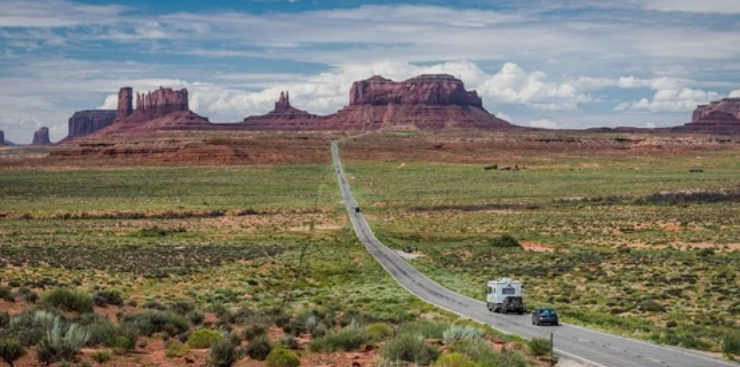
West Coast Road Trip: A Complete Guide to Planning an Unforgettable Journey
A west coast road trip is an exciting way to experience some of the most diverse landscapes, cities, beaches, forests, deserts, and mountain regions in the United States. From the dramatic Pacific coastline to towering redwood forests and vibrant cities, the western states offer countless opportunities for exploration. A road trip can be designed around scenic drives, national parks, outdoor adventures, food, photography, beaches, or a combination of everything.
The ideal itinerary depends on how much time you have and which destinations you want to visit. Some travelers prefer a short California coastal journey, while others create extended routes through California, Oregon, and Washington. With thoughtful planning, it is possible to experience major attractions without spending the entire vacation behind the wheel.
Planning Your West Coast Road Trip
The first step is deciding where your journey will begin and end. Los Angeles, San Francisco, Portland, Seattle, San Diego, and Las Vegas can all work as starting points depending on the route.
A one-way itinerary can save time when you want to cover significant distances without returning to the starting city. A round trip may work better when rental-car logistics or airfare make returning to the original location more convenient.
You should also decide whether your main priority is the Pacific coastline, national parks, major cities, mountain scenery, or a combination. Having a clear theme makes it easier to eliminate unnecessary detours.
California Coast Route
One of the most popular ways to explore the West Coast is to follow California’s coastline.
San Diego provides a southern starting point with beaches, waterfront areas, parks, and a relaxed atmosphere. From there, travelers can continue north toward Orange County and Los Angeles before reaching coastal communities farther north.
Santa Barbara offers beaches, architecture, restaurants, and nearby wine-country experiences. Continuing north leads toward Big Sur, where dramatic cliffs, ocean views, forests, and winding roads create one of the most memorable sections of the journey.
Monterey and Carmel-by-the-Sea can also be included before reaching San Francisco.
This route works particularly well for travelers who want ocean scenery combined with major California destinations.
San Francisco to Portland
Travelers with more time can continue north from San Francisco into Northern California and Oregon.
The landscape changes dramatically along this route. Coastal cliffs gradually give way to forests, smaller communities, and rugged stretches of shoreline.
Northern California’s redwood country is an especially memorable stop. Giant trees create an environment that feels completely different from the urban areas farther south.
After entering Oregon, travelers can explore coastal towns, beaches, viewpoints, forests, and state parks before eventually reaching Portland.
This route is a strong option for travelers who prefer nature and scenic driving rather than large metropolitan areas.
Portland to Seattle
The drive between Portland and Seattle can be completed relatively quickly, but adding stops can turn it into a more enjoyable journey.
Travelers can explore Oregon’s Columbia River region, waterfalls, forests, and viewpoints before continuing north.
Seattle provides a major urban destination with waterfront attractions, neighborhoods, markets, restaurants, museums, and access to surrounding natural areas.
Those with additional time can continue into Washington’s mountain and coastal regions.
Pacific Coast Highway Experience
The Pacific Coast Highway is often associated with dramatic California coastal scenery. The route offers opportunities to see cliffs, beaches, ocean overlooks, small communities, and scenic viewpoints.
Rather than rushing through the drive, travelers should allow enough time for frequent stops. Coastal roads can be winding, and some sections require careful driving.
Weather and road conditions should always be checked before traveling, particularly when planning routes through areas affected by seasonal closures or construction.
A flexible schedule is helpful because scenic viewpoints and unexpected stops can easily add time to the journey.
National Parks and Nature
The West Coast provides access to an extraordinary variety of natural environments.
Yosemite National Park can be included in a California itinerary for travelers interested in mountains, waterfalls, forests, and hiking. Sequoia and Kings Canyon offer opportunities to see enormous trees and rugged landscapes.
Further north, Redwood National and State Parks provide another distinctive forest experience.
Oregon and Washington add volcanic landscapes, forests, waterfalls, coastline, and mountain scenery. Travelers who prioritize nature may want to spend several days in national parks rather than trying to visit many locations for only a few hours.
Los Angeles and Southern California
Los Angeles can be a useful starting or ending point for a southern West Coast itinerary.
The city offers beaches, entertainment districts, museums, restaurants, shopping areas, and cultural attractions. Nearby destinations such as Santa Monica and Malibu can add coastal scenery without requiring a long-distance drive.
Travelers can also head inland toward desert landscapes, mountain communities, or national parks.
Because traffic can significantly affect driving times, it is important to avoid creating an itinerary based only on map distances. Urban travel may take considerably longer during busy periods.
San Diego to Los Angeles
This shorter coastal route works well for travelers with limited vacation time.
Starting in San Diego, travelers can visit beaches and coastal neighborhoods before heading north. Orange County provides additional beach communities and opportunities for food, shopping, and outdoor activities.
Los Angeles can then serve as the final destination.
Although the physical distance is manageable, travelers should allow extra time for traffic and sightseeing. Stopping at several coastal locations can easily turn a simple drive into a full-day experience.
Desert Detours
A West Coast trip does not have to stay entirely along the Pacific Ocean.
The region also includes spectacular desert landscapes. Travelers can create a route connecting Southern California with desert destinations and then return to the coast or continue toward Nevada and Arizona.
Joshua Tree National Park is a popular option for desert scenery, hiking, rock formations, and distinctive vegetation.
Death Valley provides another dramatic environment, although travelers should plan carefully around seasonal temperatures and road conditions.
A desert detour can add significant variety to a coastal-focused trip.
Adding Las Vegas
Las Vegas can be incorporated into many western road trip itineraries even though it is inland.
The city provides entertainment, restaurants, shows, resorts, and nightlife, while nearby areas offer opportunities for outdoor exploration.
Travelers can combine Las Vegas with Southern California, Arizona, Utah, or desert destinations depending on the length of the trip.
For a nature-focused journey, Las Vegas can also serve as a convenient base for exploring surrounding landscapes before continuing elsewhere.
Oregon Coast Road Trip
The Oregon Coast deserves more than a quick drive-through if coastal scenery is a priority.
Travelers can explore beaches, rocky viewpoints, forests, lighthouses, small towns, and scenic state parks along the coastline.
The Oregon Coast has a different visual character from Southern California. Cooler weather, rugged shorelines, evergreen forests, and smaller communities create a more peaceful atmosphere.
Travelers should consider spending several nights along the coast rather than treating it as a single stop between Portland and California.
Washington State Extension
A longer journey can continue from Oregon into Washington.
Seattle provides a convenient urban destination, while areas around Puget Sound offer waterfront scenery and access to outdoor recreation.
Travelers with additional time can explore Olympic National Park, Mount Rainier, or North Cascades landscapes, depending on seasonal access and road conditions.
These areas can add mountains, forests, alpine environments, and wildlife experiences to an itinerary already featuring coastal scenery.
Choosing Accommodation
Accommodation choices can have a significant effect on both budget and convenience.
Major cities generally offer a wide range of hotels, but prices can vary depending on season, events, and location. Coastal towns may have limited availability during popular travel periods.
For national parks and remote areas, accommodation options may be more limited, making advance planning particularly important.
Travelers who want flexibility can mix different types of accommodation, such as hotels in cities, cabins near nature destinations, and other suitable lodging options in smaller communities.
Food Along the West Coast
Food can become one of the highlights of a road trip.
California offers a broad range of cuisines and fresh produce, while coastal communities are known for seafood. Oregon and Washington also provide strong seafood, coffee, craft food, and regional dining cultures.
Major cities offer international cuisines and extensive restaurant choices. Smaller towns can provide local diners, bakeries, seafood restaurants, markets, and casual eateries.
Planning every meal in advance is not necessary. Leaving room for spontaneous stops can make the journey more interesting.
Budgeting for the Trip
A road trip budget should account for fuel, accommodation, meals, parking, entrance fees, rental-car expenses, and unexpected costs.
Driving long distances increases fuel consumption, while city parking can become expensive. National park visits may involve entrance fees or reservations depending on the destination and season.
Traveling during shoulder seasons can sometimes reduce accommodation costs and crowd levels.
Another useful strategy is to avoid unnecessary backtracking. A carefully planned one-way route can sometimes reduce both driving time and fuel expenses.
What to Pack
Packing should reflect the variety of environments you plan to visit.
Comfortable shoes are essential for city walks and outdoor attractions. Layers are useful because temperatures can vary considerably between coastal, mountain, and desert environments.
Bring sun protection, a reusable water bottle, basic first-aid supplies, chargers, navigation tools, and appropriate clothing for the season.
If hiking is part of the itinerary, appropriate footwear and outdoor equipment are important. Travelers heading into remote areas should also plan for limited services and changing weather conditions.
Road Trip Safety
Long-distance driving requires attention to fatigue, weather, road conditions, and vehicle maintenance.
Avoid driving when tired and rotate drivers when possible. Take regular breaks, especially on long stretches between destinations.
Before entering remote areas, make sure the vehicle has sufficient fuel and that navigation information is available. Mobile coverage can be limited in some mountain, desert, and rural locations.
Check current road conditions before traveling through mountain passes, coastal routes, or areas affected by storms, wildfires, construction, or seasonal closures.
Creating a Flexible Itinerary
A good road trip itinerary should provide direction without making every minute rigid.
Choose several primary destinations and identify optional stops along the way. If a particular town or viewpoint is more enjoyable than expected, you can spend additional time there.
Avoid booking every night at locations that require precise arrival times after long drives. Unexpected delays are common during road trips, especially around large cities and popular attractions.
Flexibility can make the journey feel less like a transportation schedule and more like an adventure.
Best Travel Approach
There is no single perfect West Coast itinerary. A traveler with four days may focus on a section of California, while someone with two weeks can combine California, Oregon, and Washington.
Nature lovers may prioritize national parks and forests. Beach enthusiasts may follow the Pacific coastline. City travelers may focus on Los Angeles, San Francisco, Portland, and Seattle.
The most important thing is to match the route to the amount of time available. Trying to see too much can turn a relaxing road trip into a long series of exhausting drives.
Final Thoughts
A west coast road trip can offer an impressive combination of beaches, forests, mountains, deserts, national parks, and vibrant cities. From a short California coastal journey to an extended adventure through California, Oregon, and Washington, there are routes for almost every travel style. The key is to choose realistic driving distances, allow enough time at major destinations, prepare for changing weather and road conditions, and keep some flexibility in the schedule. With thoughtful planning, the journey between destinations can become just as memorable as the places you visit.
Frequently Asked Questions
How many days are needed for a West Coast road trip?
A short trip of four or five days can cover part of the California coast, while two weeks or longer allows travelers to combine several states and major natural attractions.
What are popular West Coast road trip destinations?
Popular destinations include San Diego, Los Angeles, Santa Barbara, Big Sur, Monterey, San Francisco, Redwood country, Portland, the Oregon Coast, and Seattle.
Is the California coast good for a road trip?
Yes. California’s coastline offers beaches, cliffs, scenic viewpoints, coastal communities, restaurants, and several major destinations. Travelers should allow extra time for scenic stops and traffic.
Can I combine beaches and national parks on one West Coast trip?
Yes. California, Oregon, and Washington provide opportunities to combine coastal destinations with forests, mountains, and national parks. The best combination depends on the length of the trip.
What is the best way to plan a West Coast road trip?
Start by choosing your main destinations, estimate realistic driving times, research seasonal conditions, reserve important accommodations, and leave room for optional stops. Avoid creating an itinerary that requires driving long distances every day.