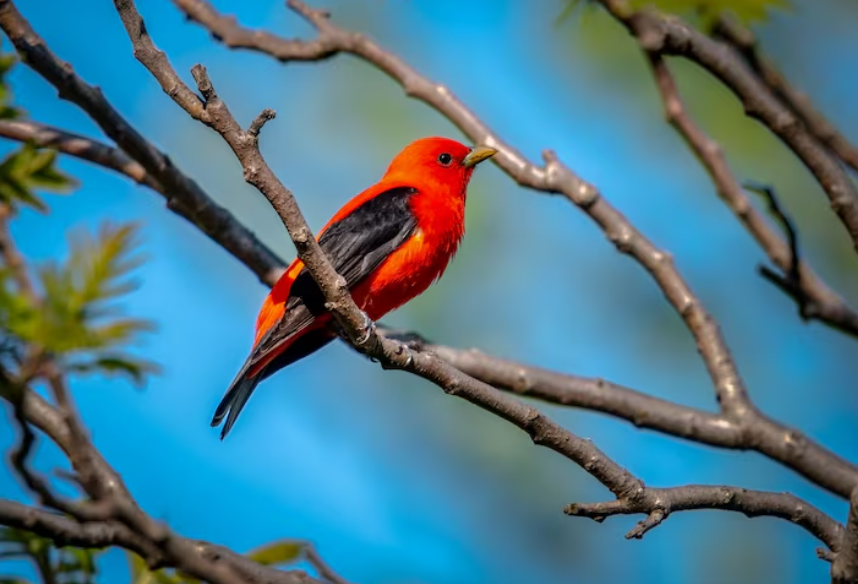
Birdzpedia.com Discover the Fascinating World of Birds, Their Habitats, and Behavior
Birds are among the most fascinating creatures on our planet. From colorful parrots and tiny hummingbirds to powerful eagles and graceful flamingos, every species has unique characteristics that make it special. They play an important role in maintaining ecological balance, supporting biodiversity, and contributing to healthy natural environments. Learning about birds helps people understand wildlife and develop a deeper appreciation for nature. Birdzpedia.com offers an interesting starting point for exploring the wonderful world of birds, their habitats, behaviors, and remarkable abilities.
Exploring the Diversity of Bird Species
The world is home to thousands of bird species, each with its own physical features, habits, and survival techniques. Some birds are recognized for their beautiful feathers, while others are admired for their impressive flying abilities, intelligence, or distinctive sounds.
Parrots, for example, are famous for their colorful appearance and ability to imitate human speech. Eagles are known for their powerful wings, sharp eyesight, and hunting skills. Penguins have adapted to cold environments and are excellent swimmers despite being unable to fly. Meanwhile, hummingbirds are remarkable for their ability to hover while feeding on flower nectar.
Understanding these differences makes birdwatching more enjoyable and educational. It also helps people recognize the importance of protecting different species and their natural environments.
Understanding Bird Habitats
Birds live in almost every part of the world, including forests, mountains, grasslands, wetlands, deserts, coastal regions, and urban environments. Each species has specific habitat requirements depending on its food sources, climate preferences, nesting habits, and survival needs.
Forests provide shelter, nesting locations, insects, fruits, and seeds for numerous bird species. Wetlands support waterbirds such as herons, ducks, and flamingos, which depend on aquatic environments for feeding and reproduction. Grasslands offer suitable conditions for ground-nesting birds and species that search for insects and small animals.
Some birds have also adapted to city life. Pigeons, sparrows, and crows are commonly found around buildings, parks, gardens, and residential areas. These species demonstrate how wildlife can adjust to changing environments.
Interesting Bird Behaviors and Abilities
Bird behavior is one of the most exciting aspects of studying wildlife. Their daily activities reveal impressive adaptations that help them survive, communicate, find food, and reproduce.
Migration is a particularly remarkable behavior. Many bird species travel thousands of kilometers between breeding and feeding grounds as seasons change. These journeys help them find suitable temperatures, food supplies, and nesting conditions.
Communication is equally important. Birds use songs, calls, body movements, and visual displays to interact with one another. Some species sing to attract mates, while others produce warning calls when predators approach.
Nesting behavior also varies significantly. Certain birds construct elaborate nests using twigs, leaves, grass, and mud. Others use tree cavities, cliffs, or natural ground shelters. These different strategies demonstrate the adaptability and intelligence of birds.
The Importance of Birds in Nature
Birds contribute significantly to healthy ecosystems. Their activities support several natural processes that benefit plants, animals, and human communities.
One important contribution is seed dispersal. Birds eat fruits and spread seeds to different locations, helping plants grow in new areas. This process supports forest regeneration and maintains plant diversity.
Certain birds also help with pollination by transferring pollen while feeding on nectar. Hummingbirds are well-known examples of pollinating birds in different regions.
Birds of prey, including hawks and owls, help control populations of rodents and other small animals. Insect-eating birds reduce the number of insects in agricultural and natural environments.
Additionally, many bird species serve as indicators of environmental health. Changes in their populations can provide useful information about habitat quality, pollution, and climate-related challenges.
Birdwatching as an Educational Hobby
Birdwatching is a rewarding activity that allows people to connect with nature while learning about different species. It can be enjoyed in forests, parks, wetlands, gardens, and even from home windows.
Beginners can start by observing common birds in their neighborhoods. Paying attention to feather colors, body shapes, beak structures, sounds, and feeding habits makes identification easier. A notebook or bird identification application can help record observations and track different species.
Binoculars are useful for observing birds from a distance without disturbing them. Early mornings are often productive because many birds become active during these hours.
Birdwatching also encourages patience, curiosity, and environmental awareness. Families, students, photographers, and nature enthusiasts can all enjoy this activity.
Challenges Facing Bird Populations
Despite their importance, many bird species face serious environmental challenges. Habitat destruction is one of the biggest threats, as forests, wetlands, and grasslands continue to disappear because of development and agricultural expansion.
Climate change is also affecting migration patterns, breeding seasons, and food availability. Pollution, pesticides, plastic waste, and collisions with buildings create additional risks.
Invasive species and illegal wildlife trade further threaten certain bird populations. These challenges make conservation efforts increasingly important.
Protecting natural habitats, reducing pollution, planting native vegetation, and supporting wildlife conservation organizations are practical ways to help birds survive.
How People Can Help Protect Birds
Everyone can contribute to bird conservation through small but meaningful actions. Providing clean water, planting native flowers and trees, and creating bird-friendly gardens can support local species.
People should avoid disturbing nests, collecting eggs, or feeding birds unsuitable foods. Keeping domestic pets away from nesting areas can also reduce risks to wild birds.
Supporting habitat restoration projects and learning about threatened species helps create greater awareness of conservation needs. Schools and communities can organize educational activities to encourage responsible interactions with wildlife.
Conclusion
Birds are essential members of natural ecosystems, offering beauty, ecological benefits, and fascinating examples of adaptation. Their diverse habitats, migration patterns, communication methods, and feeding behaviors make them an interesting subject for people of all ages. Learning about different species also encourages greater responsibility toward wildlife protection.
Birdzpedia.com represents an opportunity to explore bird diversity, understand their natural environments, and develop a stronger appreciation for the importance of conservation. By becoming more informed about birds and their needs, individuals can take meaningful steps toward protecting these remarkable creatures and preserving biodiversity for future generations.