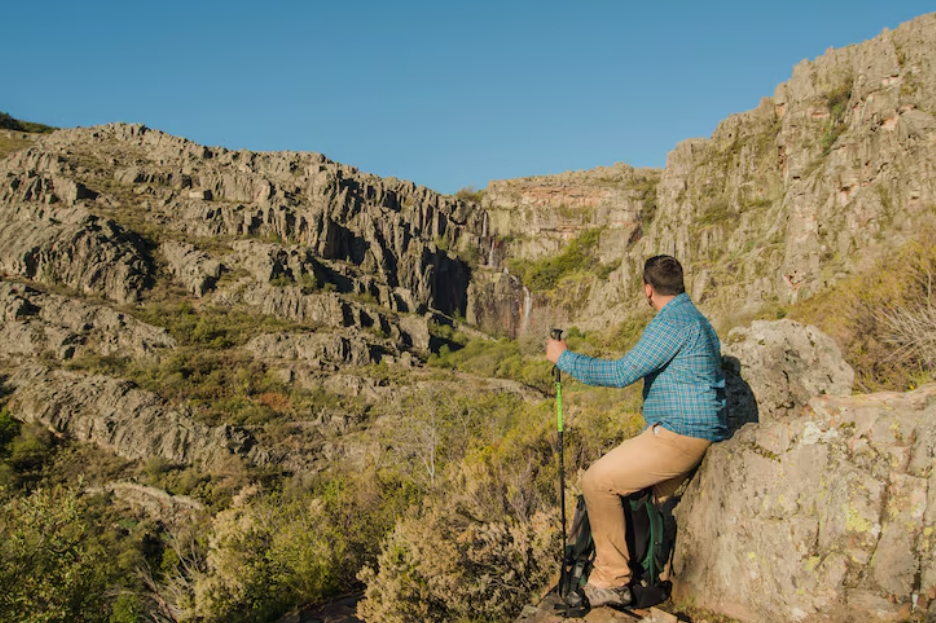
Mountaineering South Africa: A Guide to Mountains, Routes, Skills, and Adventure
South Africa offers an impressive variety of mountain landscapes for outdoor enthusiasts, from dramatic sandstone cliffs and rugged peaks to high-altitude ranges and remote wilderness areas. Mountaineering South Africa attracts climbers, hikers, trekkers, and adventure travelers who want to experience challenging terrain while exploring some of the country’s most spectacular natural environments. The country’s mountain regions provide opportunities for beginners looking for guided experiences as well as experienced mountaineers interested in demanding routes. Understanding the terrain, weather, equipment, preparation, and local conditions is essential for planning a safe and rewarding mountain adventure.
Why South Africa Is Attractive for Mountaineering
South Africa’s geographical diversity is one of its greatest strengths for mountain activities. The country contains several distinct mountain regions, each with its own character and challenges.
The Drakensberg is particularly well known for dramatic cliffs, high peaks, valleys, and extensive hiking terrain. The Western Cape offers rugged mountain landscapes around areas such as the Cape Fold Belt, while other regions provide sandstone formations and isolated peaks.
This diversity means mountaineering does not have to involve one particular type of experience. Travelers can choose technical climbing, scrambling, multi-day trekking, hiking, or guided mountain adventures depending on their skills and objectives.
The Drakensberg Mountain Range
The Drakensberg is one of South Africa’s most prominent mountain regions and an important destination for outdoor enthusiasts.
Its landscapes include steep escarpments, high plateaus, valleys, rock formations, waterfalls, and expansive views. Routes vary considerably in difficulty, making it possible to find experiences suitable for different levels of preparation.
Some areas are appropriate for day hikes, while more ambitious adventures can involve long routes and remote terrain.
The weather can change quickly in mountainous environments. Rain, wind, cold temperatures, and poor visibility can create difficult conditions, so preparation is essential even for travelers who begin their journey in pleasant weather.
The Western Cape Mountain Landscape
The Western Cape provides another major setting for mountain adventures. The region is characterized by rugged peaks, steep valleys, distinctive rock formations, and dramatic coastal scenery.
The Cape Fold Mountain ranges offer opportunities for hiking, scrambling, rock climbing, and more technical forms of mountain activity.
Table Mountain is particularly recognizable, but the surrounding region contains many other mountain areas for those looking beyond the most famous landmark.
The combination of mountains and nearby coastline gives the Western Cape a unique character. A traveler can experience mountain terrain while remaining relatively close to urban areas and other attractions.
Mountaineering and Rock Climbing
Mountaineering can involve several different activities, and it is useful to understand the distinction.
Hiking generally follows established trails and does not necessarily require technical equipment. Scrambling involves more difficult terrain where hands may be needed for balance or movement.
Rock climbing involves technical equipment and specialized skills. Mountaineering may combine several disciplines, including navigation, scrambling, climbing, rope work, and dealing with changing weather.
South Africa provides opportunities across this spectrum. Beginners should not assume that a visually short route is automatically easy. Terrain steepness, exposure, route-finding, weather, and technical requirements can significantly affect difficulty.
Popular Mountain Areas
South Africa has numerous mountain destinations, and each provides a different experience.
The Drakensberg is suitable for travelers seeking dramatic highland scenery and longer mountain routes. The Western Cape offers accessible mountain experiences alongside more demanding climbing and scrambling.
The Cederberg is known for distinctive sandstone formations, rugged landscapes, and hiking opportunities. The region can appeal to travelers interested in combining mountain activity with geological and natural exploration.
The Maloti-Drakensberg region also offers extensive wilderness scenery, making it attractive for multi-day outdoor adventures.
Rather than selecting a destination solely because it is famous, travelers should consider whether its terrain matches their experience and objectives.
Physical Preparation for Mountaineering
Good physical preparation can make a significant difference on mountain routes.
Cardiovascular fitness is useful because climbing steep terrain can require sustained effort. Walking, running, cycling, stair exercises, and uphill training can help develop endurance.
Strength training can also be beneficial. Exercises involving the legs, core, and upper body can prepare the body for uneven terrain and carrying a backpack.
Balance and mobility are important as well, particularly on rocky or uneven routes.
Training should be gradual. Increasing distance and elevation too quickly can lead to fatigue or injury before the actual trip begins.
Technical Skills You May Need
The skills required depend on the route. A straightforward mountain hike may require only navigation and basic outdoor knowledge, while technical climbing requires considerably more training.
Mountaineers may need to understand rope systems, belaying, climbing protection, scrambling techniques, route finding, navigation, and emergency procedures.
Learning these skills from qualified instructors is generally preferable to trying to teach yourself through trial and error.
Experienced climbers may also need to understand how local rock types and weather patterns influence route selection.
Before choosing a route, determine whether it requires technical equipment or specialized knowledge.
Weather Conditions
Weather is one of the most important factors in mountain safety.
Conditions can change quickly with elevation. A warm morning in a nearby town does not guarantee stable weather on a high mountain.
Thunderstorms, strong winds, rain, fog, cold temperatures, and reduced visibility can all affect a route.
Before beginning an adventure, check the latest forecast and understand how the expected conditions may affect the specific mountain area.
If conditions deteriorate, changing plans or turning back is often the safest option. Reaching a summit should never be treated as more important than responding appropriately to dangerous conditions.
Navigation and Route Planning
Navigation becomes increasingly important as routes become longer or more remote.
Hikers and mountaineers should understand the planned route before departure. Maps, GPS devices, offline navigation tools, and appropriate backup methods can all be useful.
Do not rely exclusively on a smartphone because battery life, signal coverage, or device performance may become unreliable.
Study major landmarks, route junctions, elevation changes, water sources, and potential exit points where relevant.
Sharing your itinerary with someone who is not participating in the trip can also provide an additional layer of safety.
Equipment for Mountain Adventures
Equipment requirements depend on the activity and conditions.
Basic mountain hiking may require sturdy footwear, weather-appropriate clothing, a backpack, water, food, navigation equipment, sun protection, and emergency supplies.
Technical climbing can require helmets, ropes, harnesses, climbing protection, specialized footwear, and other equipment.
Layering clothing is useful because temperatures can change significantly during a mountain outing. Waterproof and wind-resistant layers can be particularly valuable when weather conditions are uncertain.
Avoid carrying unnecessary weight, but do not eliminate essential safety equipment simply to make a backpack lighter.
Guided Mountaineering Experiences
Hiring a qualified local guide can be valuable for travelers who are unfamiliar with South African mountain terrain.
A guide can provide route knowledge, navigation support, information about weather and terrain, and assistance with technical activities when appropriate.
Guided trips can also be useful for beginners who want to learn mountain skills in a controlled environment.
More experienced climbers may prefer independent routes, but local knowledge can still be valuable when exploring unfamiliar regions.
When choosing a guide or operator, consider relevant qualifications, experience, safety procedures, and familiarity with the specific environment.
Wildlife and Environmental Awareness
South Africa’s mountain areas are not simply recreational spaces. They are also important habitats for plants and wildlife.
Visitors should follow local regulations, remain aware of wildlife, avoid disturbing animals, and stay on designated routes when required.
Leave-no-trace principles are important in remote environments. Carry waste out of the mountains, avoid damaging vegetation, and use established camping areas where applicable.
Responsible behavior helps protect mountain environments for future visitors.
Multi-Day Mountain Adventures
For travelers looking for a deeper outdoor experience, multi-day mountain trips can provide opportunities to spend extended periods in wilderness environments.
These trips require more planning than day hikes. Food, water, shelter, clothing, navigation, emergency equipment, and weather conditions all need to be considered.
Pack weight becomes especially important when carrying supplies for multiple days.
A realistic itinerary should include enough time for rest and unexpected delays. Mountain travel rarely goes exactly according to schedule because weather and terrain can affect progress.
Choosing a Route Based on Experience
Beginners should start with established routes appropriate to their fitness and experience. Guided trips can be a useful way to learn basic skills.
Intermediate mountaineers may be ready for longer routes, greater elevation changes, and more challenging terrain.
Advanced climbers can explore technical routes that require specialized equipment and knowledge.
Difficulty ratings should be treated as guidance rather than guarantees. A route that one person considers manageable may be much more demanding for another person depending on fitness, weather, navigation ability, and experience.
Best Time to Plan a Mountain Trip
The best season depends on the region and type of activity.
Some mountain areas can be affected by heavy rainfall during particular periods, while winter can bring cold conditions and, in some high-altitude areas, snow or ice.
Spring and autumn can provide pleasant conditions in many locations, but weather remains variable.
Before traveling, research seasonal conditions for the exact mountain area rather than relying on general information about the country.
Combining Mountaineering With Other Activities
One advantage of traveling in South Africa is the ability to combine mountain activities with other experiences.
A trip can include hiking and climbing alongside wildlife viewing, cultural experiences, coastal exploration, photography, or scenic road travel.
The Western Cape, for example, allows visitors to combine mountain adventures with coastal and urban experiences.
In other regions, mountain trips can be incorporated into broader wilderness itineraries.
This flexibility makes South Africa appealing to travelers who want more than a single-purpose adventure.
Final Thoughts
Mountaineering in South Africa offers an opportunity to explore diverse landscapes ranging from dramatic Drakensberg peaks to rugged Western Cape mountains and distinctive sandstone formations. The country provides experiences for different levels of ability, from guided hiking and scrambling to more technical climbing adventures. Successful mountain travel depends on choosing an appropriate route, preparing physically, understanding weather conditions, carrying suitable equipment, and respecting the environment. Beginners can benefit from professional guidance, while experienced mountaineers can find challenging terrain that rewards careful planning. With the right preparation and respect for mountain conditions, South Africa can provide a memorable setting for outdoor exploration and adventure.
Frequently Asked Questions
1. Is South Africa good for mountaineering?
Yes. South Africa offers diverse mountain environments suitable for hiking, scrambling, climbing, and multi-day adventures. The Drakensberg, Western Cape, Cederberg, and other mountain regions provide different types of terrain and experiences.
2. Can beginners go mountaineering in South Africa?
Beginners can participate in suitable mountain activities, particularly on established routes or guided trips. It is important to select an experience appropriate for your fitness and skill level rather than starting with a technical or highly demanding route.
3. What equipment is needed for mountaineering in South Africa?
Equipment depends on the activity. Basic trips may require hiking footwear, weather-appropriate clothing, water, food, navigation equipment, and emergency supplies. Technical climbing requires additional equipment and specialized knowledge.
4. Is a guide necessary for mountain trips in South Africa?
A guide is not necessarily required for every route, but professional guidance can be valuable for beginners and visitors unfamiliar with the terrain. Technical routes may require appropriate training and experience.
5. What should I consider before choosing a South African mountain route?
Consider your fitness, technical experience, route length, elevation, weather, navigation requirements, equipment, and emergency options. Always check current local conditions and make sure the route matches your abilities.